
We e-file US and Canadian tax returns.
FREE INITIAL CONSULTATION: 519-946-2921

April 20, 2026
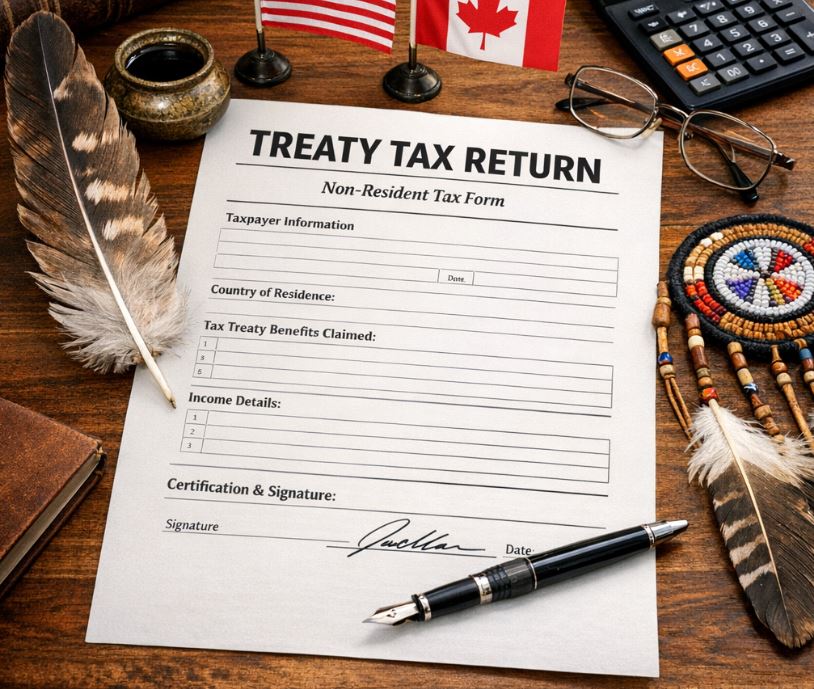
Working and living on the other side of the North American border presents a different set of financial obligations. To most people, dealing with the internal revenue service and the Canada revenue agency can be daunting. Effective Cross Border Tax Planning is what underlies the management of these two systems without incurring the problem of double taxation. Thanks to the tax treaty between these two countries, you often can reduce or even eliminate taxes owed in one country based on what you’ve already paid in the other. Companies like PPA are familiar with how to spot those Treaty Tax Return advantages, helping keep your worldwide income both protected and on the right side of the law.
Figuring out your tax residency status is usually step one in this process. It’s not as simple as where you were born or what passport you carry. The U.S. uses things like the green card test or the substantial presence test to determine residency. Canada, on the other hand, looks deeper at your actual residential ties. Sometimes, both countries might claim you as a resident, and in that case, tie-breaker rules in the treaty decide who has the primary right to tax your global income. Getting this right early on is crucial, and experts can help you choose the correct return type right from the start.
If you live in the U.S. but own rental property in Canada, the tax rules become even more specific. Normally, non-residents are hit with a 25% withholding tax on the gross rent. But you can opt to file a Section 216 return, which lets you get taxed on your net rental income, after deducting expenses like mortgage interest, repairs, and property management. Proper guidance here means you pay tax on what you actually earn, not just the total rent collected.
There’s also the matter of treaty disclosures. When you rely on a treaty provision to alter how your income gets taxed, the IRS usually asks for a formal notice, usually via Form 8833. This form shows the government which treaty article you’re using instead of the usual tax code rules. It comes up with residency tie-breakers and certain income exemptions. Skipping this step when it’s required can bring penalties, so it’s important that all needed treaty disclosures are included with your US Canada Tax return.
At its core, treaty filing is about managing foreign tax credits. These credits enable you to credit the tax paid in one country against the liability paid in the other country and you do not pay the same dollar twice. But this requires careful record-keeping – proof of all withholdings and payments must be documented. Plus, don’t forget other reporting rules like the FBAR for foreign bank accounts. Good coordination blends your Canadian and U.S. filings into a smooth, unified plan that works to your advantage and keeps everything on schedule.
Cross-border rules are complex, so even minor mistakes can result in major delays or inspections. To have a complete return, all the required documentation, including W-2s, T4s, and brokerage statements, is needed. Everyone’s situation is different, so generic advice only goes so far. By partnering with the professionals at PPA, you can have the confidence that your treaty positions can be held afloat by the prevailing taxation laws. We assist you in the complexities of the tax year so that you are able to concentrate on your life across the border without any hesitation.